
Why information matters
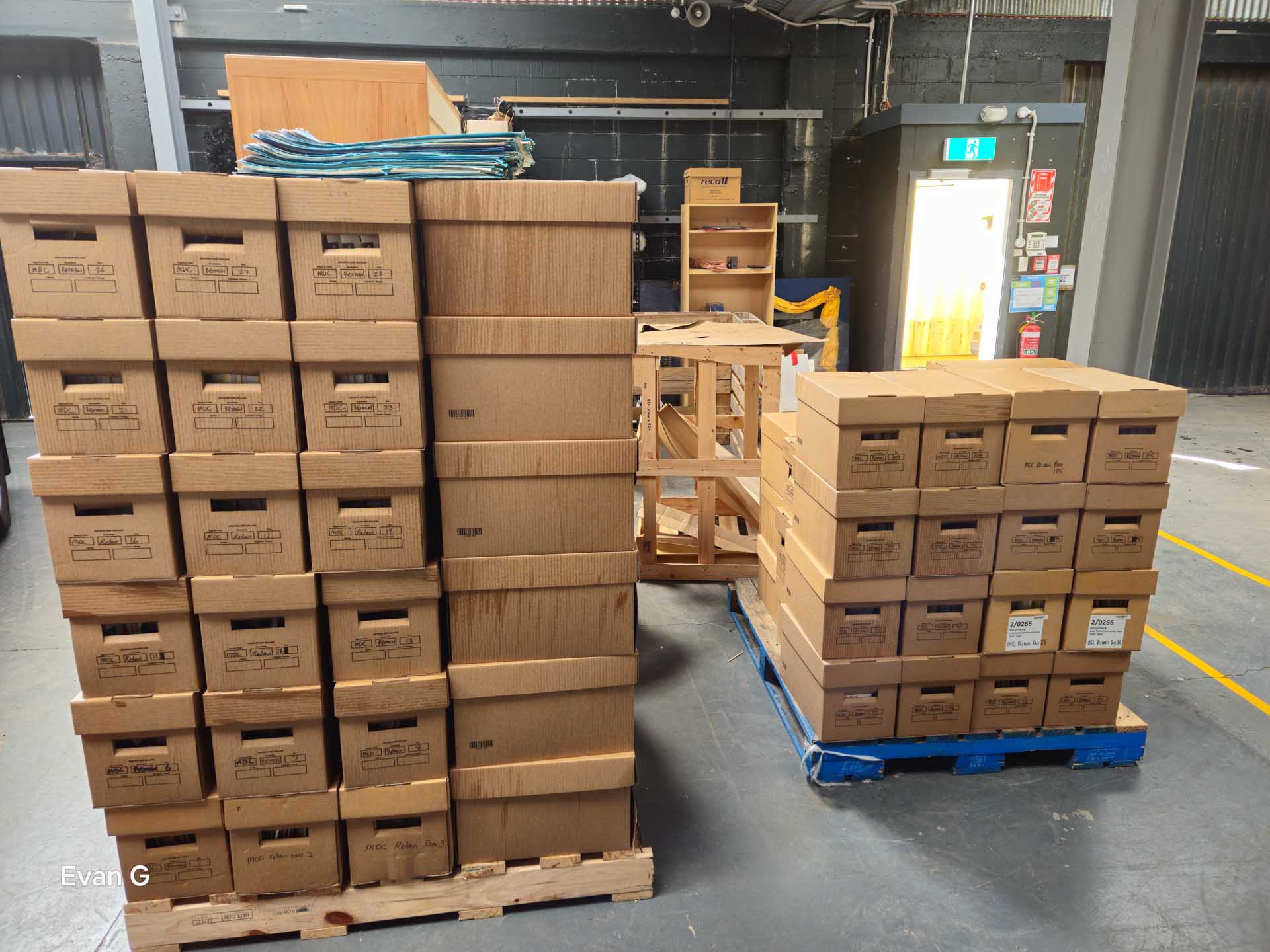
Preserving information and making it accessible is the core of what I do.
The information your organisation owns can be a foundation for decision-making, it can be a taonga or cultural treasure, and it can empower communities of all kinds.
Aligning your information practices with organisational goals and legislation.
Strong governance provides the roadmap for how your organisation creates, manages, shares, and protects its information assets. Information without a strategy can become a liability, leading to risk, inefficiency, and missed opportunities.
You can build an information governance framework that aligns directly with your strategic goals, operational needs, and legislative requirements.
This way, your information practices won’t just be compliant; they will actively support your core purpose of research, exhibition, public access, or preservation.
Tips for information governance & strategy:
- Develop clear policies and procedures for information handling.
- Define roles and responsibilities for information stewardship.
- Identify and address legal, reputational, and operational risks.
- Ensure your information strategy is sustainable and future-proof.
Dispose of information you don’t need and make the most of your information assets.
A systematic approach to information management allows you to make informed decisions about your assets. Every shelf and every gigabyte of storage has a cost. Holding onto redundant and obsolete information makes it harder and more expensive to manage what truly matters.
You can implement processes for appraisal, retention, and appropriate disposal.
By optimising your information stores, your organisation can spend less time searching for what its needs and more time using it to create value.
Benefits of reducing information costs & increasing efficiency
- Reduced physical and digital storage costs.
- Faster access to relevant information for staff, researchers and public.
- Streamlined workflows and better productivity.
- Better allocation of resources.
Ensuring information is secure, discoverable, and long-lasting.
One of the greatest challenges in the GLAMR sector is how to provide access today, while preserving availability for the future. An institution’s collection is only as valuable as its ability to be discovered, used, and preserved.
You can establish clear protocols to protect your information from loss, corruption, or unauthorised access, while making it more usable at the same time.
Systems such as metadata schemes and long-term digital preservation strategies can ensure your collection is secure, discoverable, and enduring.
Benefits of improving access & preservation
- Information is protected against physical and digital threats.
- Researchers, curators, and the public can easily access the information they need.
- Your information remains usable as technology changes.

Information management solutions with EG Consulting
Get in touch to discuss your organisation’s needs and start to make a plan.